Credit basics
Does checking your score lower it?
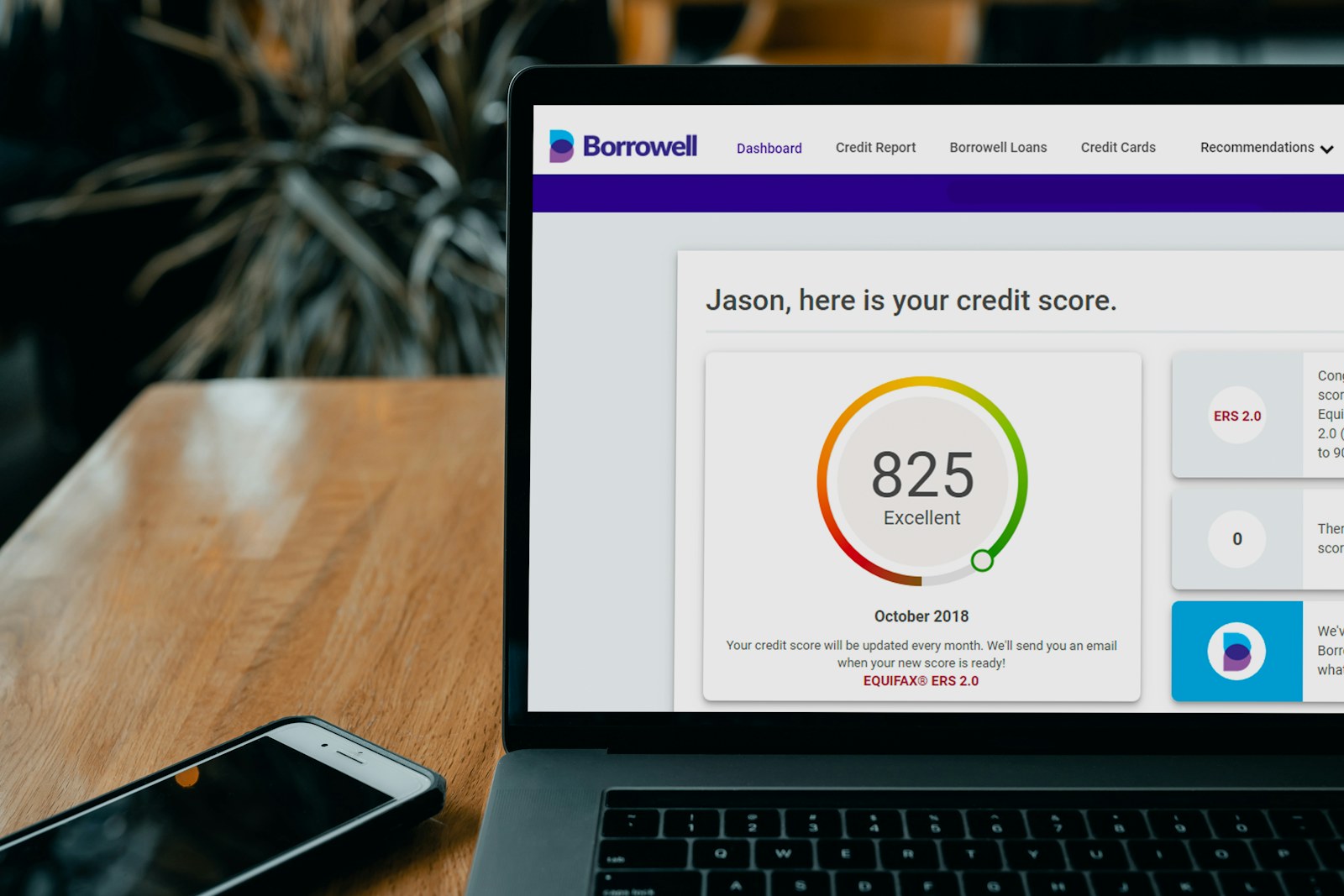
Checking your own score is considered a "soft inquiry" and has no impact on your credit score whatsoever.
Read More → Does checking your score lower it?The reading room
Browse plain-language guides to common credit questions. Search a topic or choose an area you want to understand better.
5 resources
Credit basics
Checking your own score is considered a "soft inquiry" and has no impact on your credit score whatsoever.
Read More → Does checking your score lower it?Account history
Closing old accounts can actually reduce your total available credit and shorten the average age of your credit history, both of which may lower your score.
Read More → What happens when you close an old account?Scoring models
You actually have dozens of credit scores.
Read More → Why you have more than one credit scoreEveryday habits
You do not need to carry a balance to build credit.
Read More → Do you need to carry a balance?Credit basics
Income is not a factor in any major credit-scoring model.
Read More → Income and credit scores: different rolesCredit Scores: True or False
The explanation. Checking your own score is considered a "soft inquiry" and has no impact on your credit score whatsoever. You can check it as often as you like without any negative effect. Only "hard inquiries" — initiated when you formally apply for credit — may have a small, temporary impact.
The explanation. Closing old accounts can actually reduce your total available credit and shorten the average age of your credit history, both of which may lower your score. If an older card has no annual fee, keeping it open — even if you rarely use it — generally helps your profile.
The explanation. You actually have dozens of credit scores. FICO alone publishes multiple versions, and VantageScore is an entirely separate model. Each of the three major bureaus — Equifax, Experian, and TransUnion — may also hold slightly different data, so your score can vary depending on where and when you check.
The explanation. You do not need to carry a balance to build credit. What matters is that activity is reported to the bureaus. Paying your statement in full each month demonstrates responsible usage, avoids interest charges, and keeps your utilization ratio low — all of which can benefit your score.
The explanation. Income is not a factor in any major credit-scoring model. Your score is calculated from payment history, credit utilization, length of credit history, types of credit in use, and recent credit inquiries. Lenders may consider income separately during their own approval process, but it does not appear in the score itself.
Keep learning
Educational credit alerts, scoring tips, and plain-language resources.
Explore the newsletter ↗